

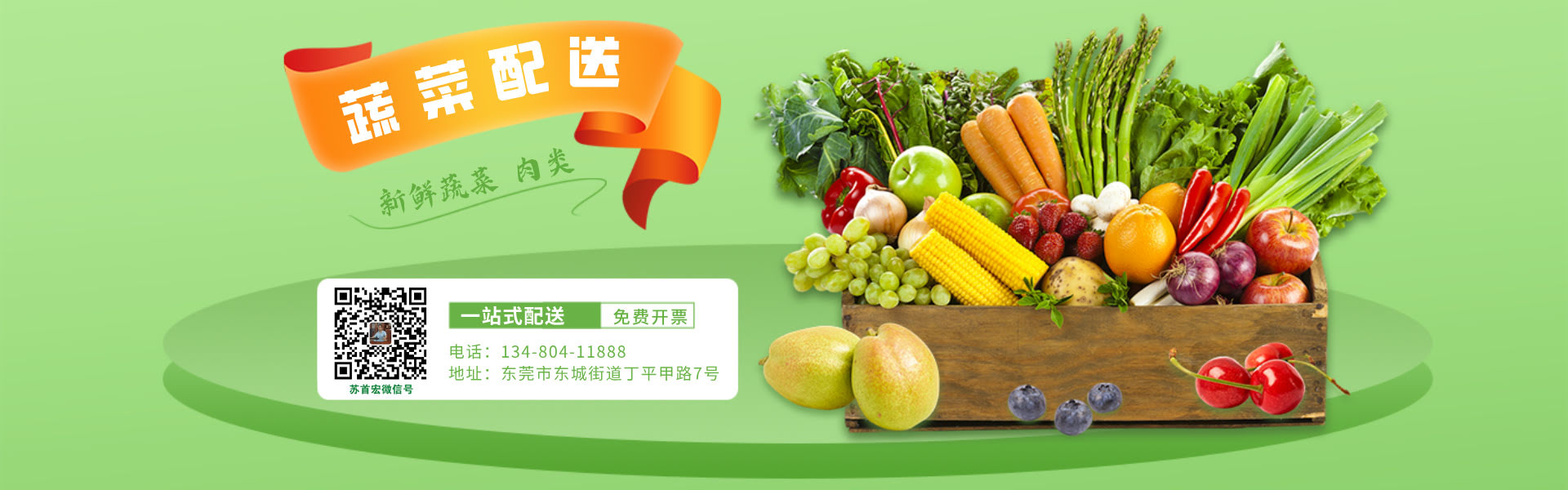
The logistics of delivering fresh produce and fruits is a complex and vital component of the modern food supply chain. It involves a series of meticulously orchestrated steps to ensure that the goods reach consumers in optimal condition. The journey from farm to table is far from straightforward, encompassing a range of challenges and innovations designed to maintain freshness and quality.

At the heart of this process is the initial harvesting of produce. Farmers and growers must carefully select the right time to pick their fruits and vegetables to ensure they are at peak ripeness. Timing is crucial, as harvesting too early can result in underdeveloped flavors, while waiting too long can lead to spoilage. Once the produce is ready, it is quickly packed to minimize damage and maintain freshness. The packaging used is often specialized, designed to provide cushioning and ventilation to protect the goods during transit.
Next, the produce is transported to distribution centers. These centers serve as hubs where goods are sorted, processed, and prepared for shipment to retailers or directly to consumers. The transportation methods used vary depending on the type of produce and the distance it needs to travel. For shorter distances, trucks are commonly used, while for longer routes, trains or even ships might be employed. The choice of transportation is influenced by factors such as cost, speed, and the need to maintain specific temperature conditions.
Temperature control is a critical aspect of produce logistics. Many fruits and vegetables are sensitive to temperature fluctuations, and maintaining the right conditions is essential to prevent spoilage. Refrigerated trucks and containers are often used to keep the produce cool during transit. These vehicles are equipped with advanced cooling systems that can regulate temperature and humidity levels, ensuring that the goods remain fresh until they reach their destination.
Once at the distribution center, the produce undergoes a series of quality checks. Inspectors examine the goods for signs of damage, rot, or contamination. Only the highest quality items are selected for shipment, while any that do not meet the standards are either discarded or used for other purposes, such as animal feed. This rigorous selection process helps to ensure that consumers receive the best possible products.
From the distribution center, the produce is loaded onto vehicles and sent to retailers. The timing of these deliveries is carefully planned to minimize the time the goods spend in transit. For perishable items like fresh fruits and vegetables, speed is of the essence. The faster they reach the shelves, the longer they remain fresh and edible. Retailers often work closely with logistics companies to coordinate delivery schedules and ensure that the produce arrives at the right time.
Digital technology plays a significant role in modern produce logistics. Inventory management systems help retailers keep track of their stock levels, ensuring that they always have fresh produce available. These systems can also predict demand based on sales data and weather patterns, allowing retailers to order the right amount of goods at the right time. This helps to reduce waste and ensure that consumers have access to fresh, high-quality produce.
Sustainability is another important consideration in produce logistics. The environmental impact of transporting goods over long distances is a growing concern, and many companies are exploring ways to make their operations more eco-friendly. One approach is to source produce from local farms whenever possible. This reduces the distance the goods need to travel, lowering carbon emissions and reducing the risk of spoilage during transit.
Another sustainable practice is the use of reusable packaging. Single-use plastic containers contribute significantly to waste, and many companies are now switching to biodegradable or reusable alternatives. These materials are just as effective at protecting the produce but have a much lower environmental impact. Additionally, some logistics companies are experimenting with alternative transportation methods, such as electric trucks or even drone deliveries, to further reduce their carbon footprint.
The role of technology in optimizing delivery routes cannot be overstated. Advanced algorithms and real-time data help logistics companies plan the most efficient paths, reducing fuel consumption and delivery times. These systems take into account factors such as traffic conditions, weather forecasts, and delivery deadlines to ensure that the produce arrives at its destination as quickly and safely as possible. This level of precision is essential for maintaining the freshness and quality of perishable goods.
Consumer demand is also shaping the future of produce logistics. As awareness of food waste grows, more consumers are looking for ways to reduce their carbon footprint. This has led to an increase in demand for locally sourced and organic produce. Retailers are responding to this trend by partnering with local farmers and adopting more sustainable practices. These efforts not only help to reduce waste but also support local economies and promote environmental stewardship.
The challenges of produce logistics are not limited to transportation and storage. The handling of goods must also be done with care to prevent damage. Workers at distribution centers and retail stores are trained to handle produce gently, using techniques that minimize the risk of bruising or breaking. This attention to detail is crucial for maintaining the quality of the goods and ensuring that consumers receive the best possible products.
Despite the complexities involved, the logistics of delivering fresh produce and fruits are essential for ensuring that consumers have access to high-quality, nutritious food. The combination of advanced technology, sustainable practices, and careful planning helps to overcome the challenges and deliver the best possible products to the table. As the demand for fresh, locally sourced food continues to grow, the logistics industry will undoubtedly continue to evolve, finding new and innovative ways to meet the needs of consumers while minimizing waste and environmental impact.